Oncology Surgery
Onco Surgeons

Dr. Joseph Secquera
Dr. Makarand Bhole
What is Oncology Surgery?
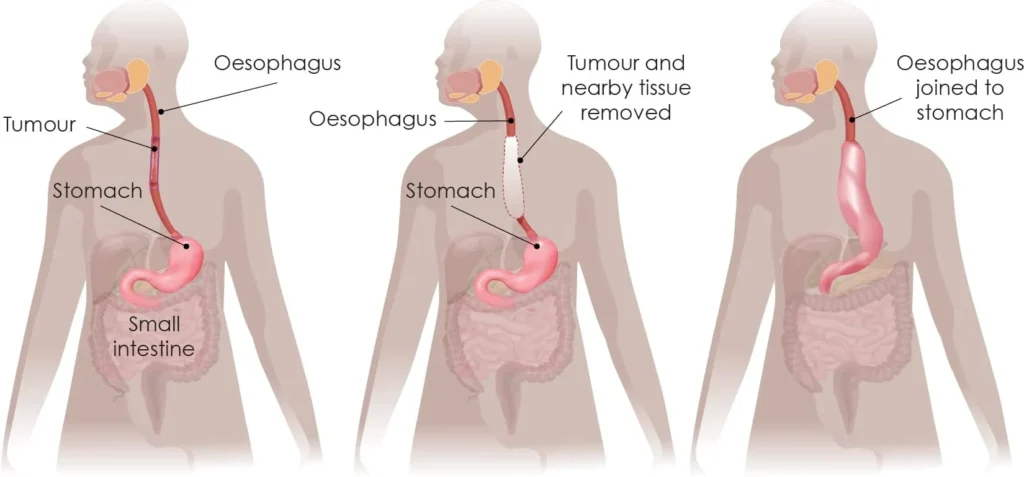
Oncology Surgery involves the surgical removal of tumors, affected tissues, and cancerous growths from different parts of the body. It plays a key role in:
- Diagnosing cancer
- Staging the disease
- Treating cancer
- Preventing spread (metastasis)
- Supporting reconstruction after cancer removal
- Improving survival and life expectancy
Traits of Cancer That Require Surgical Treatment
Cancer symptoms vary widely but often include:
- Persistent lumps or swelling
- Abnormal bleeding
- Unexplained weight loss
- Long-term fever
- Changes in bowel or bladder habits
- Difficulty swallowing
- Non-healing ulcers
- Sudden changes in moles or skin patches
- Persistent cough or hoarseness
- Fatigue that does not improve
Many of these symptoms may appear harmless but can indicate early cancer. Oncology Surgery helps detect, remove, and manage malignant growths effectively.
Common Symptoms That Need Attention
Patients should seek immediate evaluation if they notice:
- A lump in the breast, neck, abdomen, or groin
- Painful or enlarged lymph nodes
- Blood in urine, stool, or cough
- Sudden breast changes or nipple discharge
- Severe, unexplained abdominal pain
- Difficulty breathing or swallowing
- A rapidly growing mass anywhere in the body
- Chronic indigestion or loss of appetite
- Changes in voice or long-term throat irritation
- Sudden skin thickening or discoloration
Early diagnosis greatly increases the chances of successful treatment.
Areas of Care in Oncology Surgery
Oncology Surgery covers a wide range of cancer types and organ systems, including:
- Breast Cancer
- Gastrointestinal Cancer (Stomach, Colon, Rectum)
- Liver & Pancreatic Cancer
- Thyroid Cancer
- Gynecological Cancer (Ovarian, Uterine, Cervical)
- Lung Cancer (selected cases)
- Soft Tissue & Skin Tumors
- Urological Cancers (Kidney, Bladder)
- Prostate Cancer
- Bone & Joint Tumors
- Esophageal Cancer
The surgical plan depends on tumor type, size, stage, spread, and organ involvement.
Conditions We Treat
Our Oncology Surgery department manages all major cancers, including but not limited to:
- Breast tumors (benign and malignant)
- Colon & rectal cancer
- Stomach and intestinal cancers
- Pancreatic and liver cancers
- Thyroid tumors
- Oral & throat cancer
- Lung tumors (selected surgical candidates)
- Ovarian, cervical, and uterine cancer
- Kidney & bladder cancer
- Prostate tumors
- Soft tissue sarcoma
- Skin cancer
- Bone tumors
- Piles or fistula-related tumors (rare but possible)
Our approach focuses on complete tumor removal and prevention of recurrence while maintaining maximum functional ability.
Oncology Treatments & Surgeries Offered
1. Tumor Biopsy (Diagnostic Oncology Surgery)
Biopsy helps confirm the type, stage, and severity of cancer.
We offer:
- Needle biopsy
- Incisional biopsy
- Excisional biopsy
- Image-guided biopsy
Accurate diagnosis is the foundation of effective treatment.
2. Curative Cancer Surgery
Performed to remove all visible cancer cells with clear margins to prevent recurrence.
Examples include:
- Breast lumpectomy / mastectomy
- Colectomy for colon cancer
- Gastrectomy for stomach cancer
- Thyroidectomy for thyroid tumors
- Hepatic resection (liver)
- Pancreatectomy
- Nephrectomy (kidney)
- Hysterectomy for uterine cancer
- Oophorectomy for ovarian cancer
Curative surgery is most successful when cancer is detected early.
3. Debulking Surgery
If a tumor cannot be removed completely due to size or spread, the surgeon removes as much of it as possible to improve the effectiveness of other therapies like chemotherapy or radiation.
4. Palliative Surgery
Designed to ease symptoms such as pain, bleeding, obstruction, or pressure caused by cancer.
It improves comfort and quality of life, even in advanced stages.
5. Reconstructive & Restorative Surgery
After extensive tumor removal, reconstructive surgeries help restore normal appearance and function.
Common examples:
- Breast reconstruction
- Facial or oral reconstruction
- Skin grafting
- Soft tissue repair
6. Minimally Invasive Cancer Surgeries
Laparoscopic and endoscopic methods allow:
- Smaller incisions
- Less pain
- Faster recovery
- Reduced bleeding
- Minimal scarring
Used for cancers of the stomach, colon, uterus, kidneys, and more.
7. Lymph Node Surgery
Includes removal and biopsy of lymph nodes to check cancer spread.
Axillary node dissection and sentinel node biopsy are common examples.
8. Emergency Cancer Surgery
Some cancers cause sudden complications like:
- Intestinal obstruction
- Internal bleeding
- Tumor rupture
- Severe pain
Our hospital provides 24×7 surgical assistance for such emergencies.
Oncology Procedures Performed
- Tumor removal surgery
- Radical surgery for advanced cancers
- Laparoscopic oncology surgeries
- Sentinel lymph node biopsy
- Soft tissue tumor excision
- Intestinal cancer surgery
- Breast cancer surgery
- Thyroid & parathyroid surgery
- Liver & pancreatic tumor surgery
- Urological cancer removal
- Gynecological oncology procedures
- Debulking surgeries
- Emergency oncology intervention
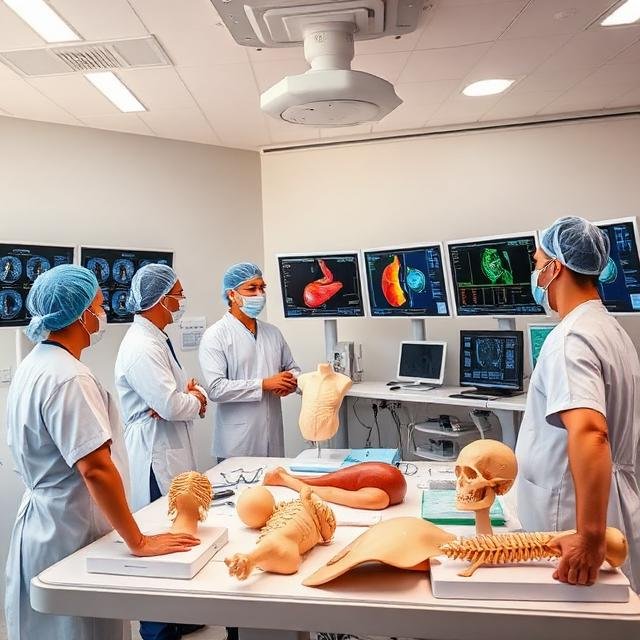
Every procedure is performed in a controlled, sterile, and technologically advanced surgical environment.
Why Choose Shree Surgical & General Hospital for Oncology Surgery?
Advanced Surgical Expertise
Our hospital follows proven oncology protocols that ensure safe tumor removal with maximum tissue preservation.
Modern Diagnostic & Surgical Technology
We use imaging guidance, C-Arm support, modular operation theatres, and precision surgical instruments.
Centers for All Cancer Types
From breast and colon to thyroid and urological cancers, we cover all major specialties.
Multidisciplinary Treatment Model
Oncology Surgery is coordinated with medicine, radiology, ICU support, pathology, and postoperative rehabilitation.
Minimally Invasive Options Available
Laparoscopic and endoscopic cancer surgeries ensure quicker recovery, minimal scars, and minimal complications.
Patient-Focused Care
We emphasize emotional support, transparency, early diagnosis, and personalized treatment plans.
Post-Surgical Follow-Up
Regular monitoring ensures cancer does not return and recovery is smooth.
Recovery & Rehabilitation After Oncology Surgery
Recovery varies depending on:
- Type of cancer
- Stage at diagnosis
- Type of surgical procedure
- Patient’s overall health
- Whether follow-up therapy is needed
We prioritize:
- Pain management
- Wound care
- Nutritional support
- Physiotherapy (when needed)
- Long-term medical monitoring
- Guidance for lifestyle improvement
- Infection prevention
Patients receive individualized recovery plans to support healing and reduce recurrence risks.
We Are Committed to Fighting Cancer with Compassion & Precision
Oncology Surgery at Shree Surgical & General Hospital gives patients access to premium surgical care, early detection support, and advanced medical infrastructure. Our approach focuses on safety, accuracy, minimal invasiveness, and complete patient well-being.